
FreezeGard Antifreeze & Deicer: Non Glycol Freeze Protection
Cold weather can create serious problems for industrial and facility systems. When water freezes inside lines, equipment, or components, it can lead to cracking, expansion damage, blocked flow, and costly downtime. In many environments, freeze protection is an important part of seasonal maintenance and system preparation.
FreezeGard Antifreeze & Deicer is designed to help protect systems from freezing conditions without relying on glycol. For facilities looking for an alternative approach to freeze protection and deicing, it offers a practical option for seasonal maintenance and cold weather system care.
You can explore the industrial chemicals category here:
Or view FreezeGard here:
Why Freeze Protection Matters in Industrial and Facility Systems
When temperatures drop, water left in exposed or vulnerable systems can freeze and expand. That expansion can place stress on pipes, fittings, tanks, coils, and other components. Even a small amount of freezing can create damage that leads to repairs, leaks, and interrupted operation.
Common cold weather issues include:
Frozen pipes and lines
Cracked fittings or housings
Restricted or blocked flow
System downtime during winter conditions
Unexpected maintenance costs in cold weather
For many facilities, freeze protection is part of routine seasonal preparation. Taking action before freezing temperatures arrive can help reduce damage and keep systems in better working condition.
What Makes Non Glycol Freeze Protection Different
Many freeze protection products rely on glycol based chemistry, but some facilities look for alternatives depending on the application, maintenance preferences, or system requirements.
A non glycol antifreeze and deicer provides freeze protection without using glycol as the active approach. This can make it a useful option in environments where a glycol free solution is preferred for operational or handling reasons.
In addition to freeze protection, products in this category may also help with deicing needs in certain maintenance situations. That makes them useful for facilities managing both prevention and response during colder parts of the year.
FreezeGard is positioned as a non glycol option for systems that need reliable cold weather protection and deicing support.
How FreezeGard Helps Protect Systems
Freeze protection products are used to help reduce the risk of freeze related damage in water handling and mechanical systems. By helping prevent freezing conditions from damaging system components, they support smoother cold weather operation and more reliable winterization.
A product like FreezeGard may be useful in applications where facilities want to:
Prepare systems for colder temperatures
Help protect exposed lines and equipment
Support seasonal shutdown or winterization procedures
Address deicing needs as part of maintenance planning
This kind of protection can be especially important in facilities where outdoor exposure, unheated spaces, or seasonal temperature swings create risk for water based systems.
Industrial and Facility Applications for FreezeGard
Freeze protection and deicing products can be useful across many types of properties and systems. Any operation that must protect equipment, piping, or water based components from freezing may benefit from a product designed for cold weather use.
HVAC and Mechanical System Winterization
HVAC related systems and mechanical equipment can be vulnerable during winter months, especially when lines or components are exposed to low temperatures. Freeze protection helps reduce the risk of damage during operation, shutdown, or seasonal idle periods.
For facilities preparing HVAC systems for colder weather, FreezeGard can support winterization planning where non glycol protection is preferred.
Facility Maintenance and Seasonal Preparation
Maintenance teams often prepare buildings and equipment in advance of freezing conditions. This can include protecting pipes, drains, lines, and other system components that may be affected by cold weather.
Using a dedicated antifreeze and deicer product can help support those efforts and reduce the chance of freeze related service issues.
Outdoor and Exposed Equipment Areas
Systems located outdoors or in partially exposed environments face greater freezing risk. Equipment in utility areas, rooftop sections, loading areas, and exterior access points may need added protection during seasonal weather changes.
A freeze protection product can play an important role in helping those areas stay protected when temperatures drop.
General Industrial Cold Weather Use
Industrial facilities often manage systems that depend on reliable flow and protected equipment even during colder months. Freeze protection helps reduce disruption and supports better equipment care through seasonal temperature changes.
Available Sizes of FreezeGard
FreezeGard is available in multiple sizes to support different maintenance needs, from smaller facility use to larger scale industrial supply.

1 Gallon Container
A good option for smaller applications, spot use, or facilities that need a manageable quantity for seasonal maintenance tasks.
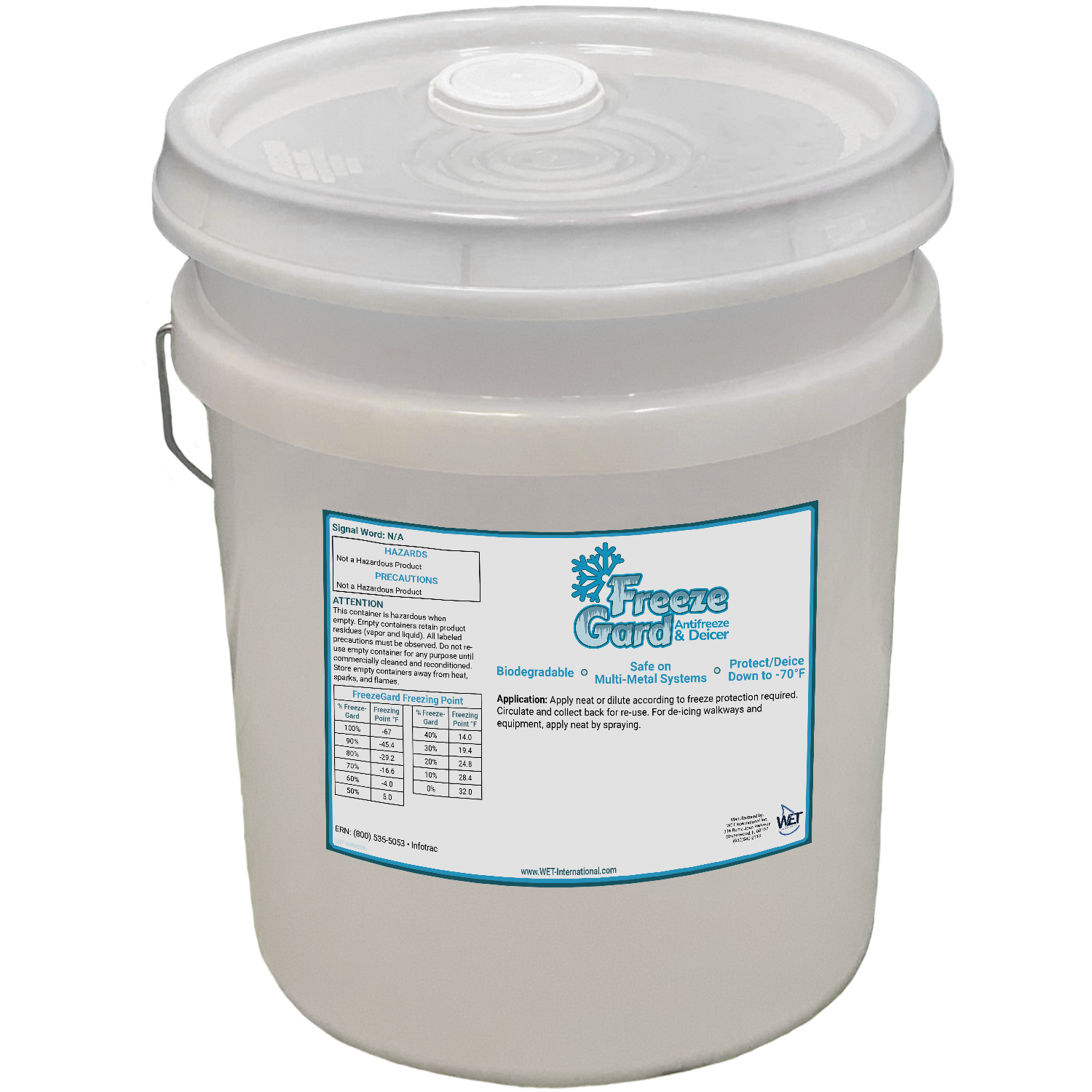
5 Gallon Bucket
Well suited for routine winterization work and maintenance teams handling multiple systems or seasonal service procedures.
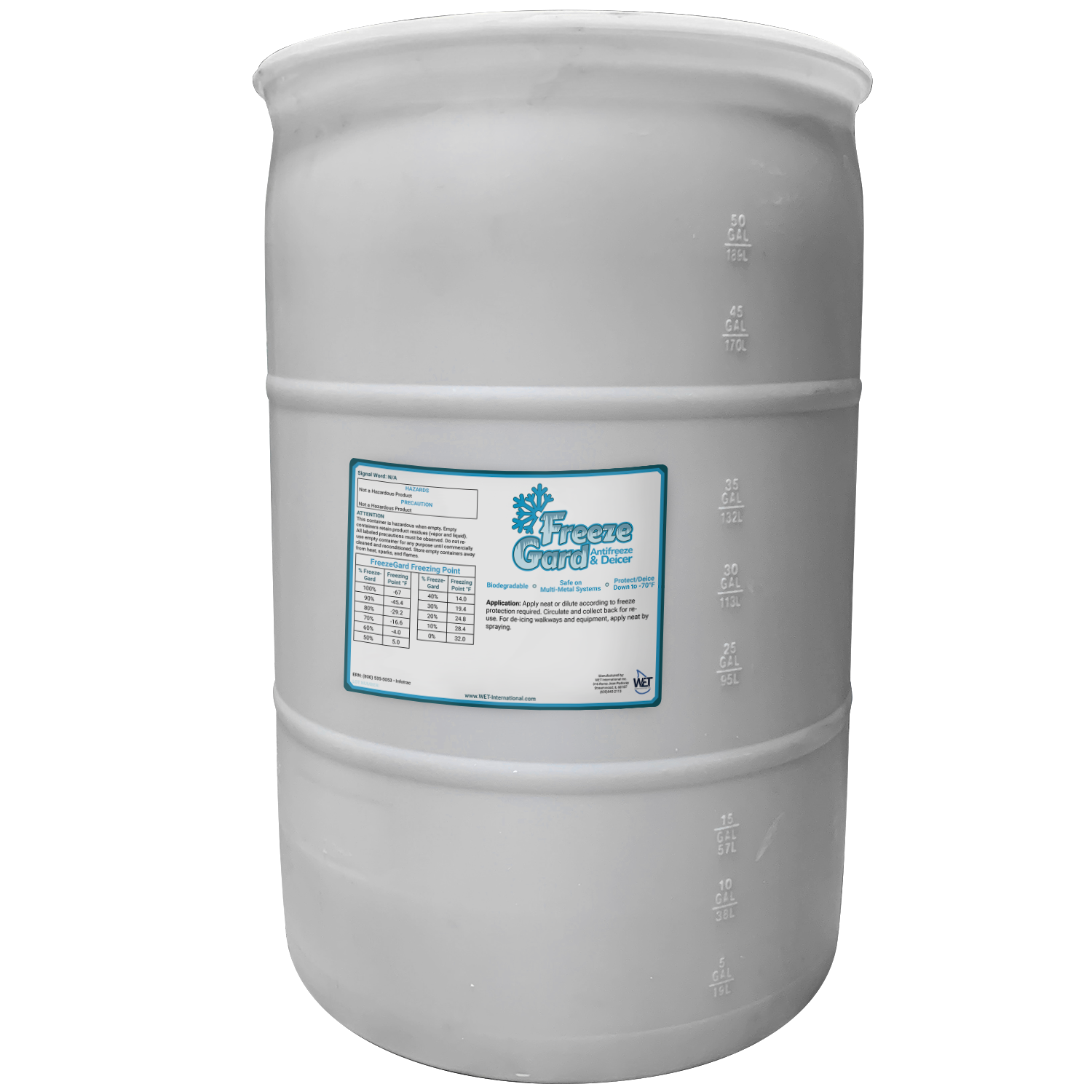
55 Gallon Drum
A practical size for facilities with ongoing cold weather protection needs or broader building and equipment coverage.
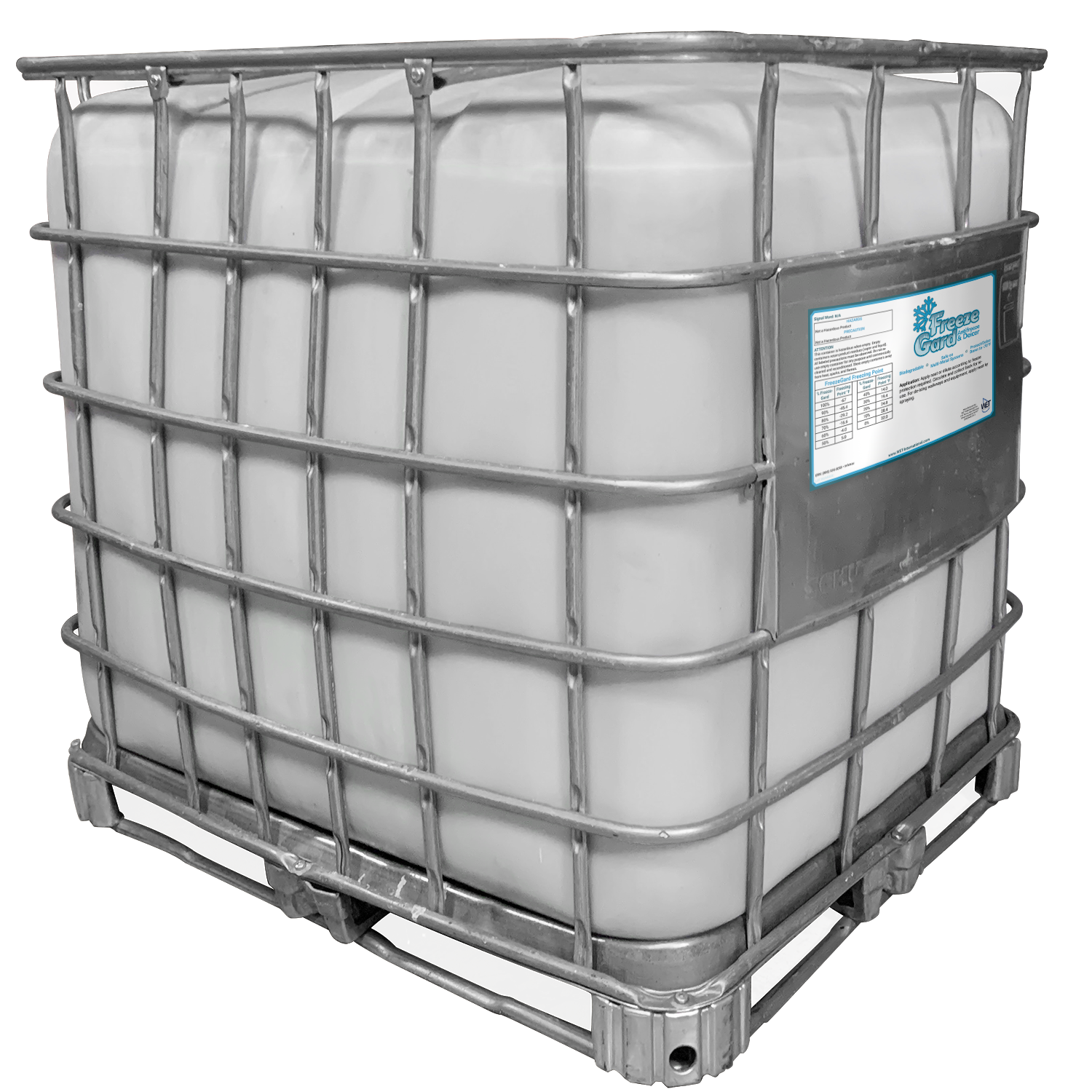
275 Gallon Tote
The largest option supports industrial operations and larger facilities that require substantial freeze protection supply.
Application and Usage Considerations
Cold weather protection products are typically used as part of a planned maintenance process. The right approach depends on the type of system, the level of freeze risk, and how the product will be introduced or applied.
Facilities often evaluate factors such as:
The type of equipment being protected
Expected temperature exposure
Whether the system is active, idle, or being winterized
The amount of product needed for the application
Using the product as part of a broader seasonal maintenance plan helps improve consistency and reduce the chance of freeze related problems.
Even when this blog is being posted in April, freeze protection content still matters. Many facilities review products year round, plan ahead for future seasonal needs, or manage systems in regions where cold weather can still affect operations outside the core winter months.
Storage and Handling Recommendations
Industrial chemicals should always be stored according to product guidance and standard facility safety practices.
Recommended handling practices generally include keeping containers sealed, storing them in appropriate conditions, and clearly labeling all product containers in maintenance or chemical storage areas. Proper storage helps preserve product quality and supports safer, more organized facility use.
Larger sizes are often kept on hand by facilities that prepare early for seasonal changes or manage multiple systems across a property.
Supporting Winter Readiness Without Glycol
Freeze related damage can be expensive, disruptive, and difficult to manage once it happens. Taking preventive steps helps facilities protect systems, reduce seasonal maintenance issues, and support more reliable operation during colder weather.
FreezeGard Antifreeze & Deicer offers a non glycol approach to freeze protection and deicing for facilities and industrial users that need dependable seasonal support. Whether it is used for winterization planning, exposed equipment protection, or general cold weather preparation, it helps address an important part of facility maintenance.
Planning ahead for freeze protection helps reduce risk, protect equipment, and keep systems better prepared when temperatures fall.