
ScaleSolv Descaler: Removing Scale Without Damage
Scale buildup is a common problem in industrial systems that handle water, heat, or process fluids. Over time, mineral deposits can collect on internal surfaces and reduce system performance. What starts as a thin layer of buildup can eventually restrict flow, reduce heat transfer, increase energy use, and create extra strain on equipment.
ScaleSolv Descaler is designed to remove carbonate scale safely without the harsh effects often associated with more aggressive descaling chemistries. For facilities that need effective scale removal while protecting equipment and simplifying maintenance, it offers a practical solution for routine descaling.
Why Scale Buildup Creates Problems in Industrial Systems
Scale forms when dissolved minerals in water settle onto surfaces and harden over time. This often happens in systems where water is heated, cooled, recirculated, or stored. Once buildup begins, system efficiency can start to drop even before the scale is visibly severe.
Common issues caused by scale include:
Restricted water flow
Reduced heat transfer
Higher energy consumption
Increased equipment strain
More frequent cleaning and maintenance downtime
In systems such as heat exchangers, cooling equipment, tanks, and piping, scale acts as a barrier between the system and efficient performance. Removing those deposits helps restore cleaner surfaces and supports more consistent operation.
How Carbonate Descalers Work
Carbonate descalers are formulated to break down mineral deposits so they can be flushed away from the system. These deposits are often created by hard water or repeated process water exposure and can build up steadily over time.
When a descaler is applied correctly, it reacts with carbonate scale and helps loosen or dissolve the buildup from internal surfaces. This helps restore flow, improve surface contact, and support better equipment performance.
A product like ScaleSolv is especially useful when facilities need dependable scale removal without relying on highly aggressive chemistry. In many maintenance settings, safe and effective scale removal is important because the goal is not just to clean the system, but to do so in a way that supports long term equipment care.
Why Safe Scale Removal Matters
Removing scale is important, but doing it without unnecessary damage is just as important. Harsh cleaning products can sometimes introduce additional concerns for maintenance teams, especially when cleaning sensitive equipment, managing regular descaling schedules, or working in facilities that prefer lower hazard products.
Using a non hazardous carbonate descaler can help support maintenance goals by offering:
Effective scale removal
A more maintenance friendly cleaning option
Routine descaling support for industrial systems
Cleaner surfaces without relying on overly aggressive treatment methods
For many operations, that balance matters. Equipment needs to be cleaned thoroughly, but it also needs to remain in good condition for continued use.
Industrial Applications for ScaleSolv
Scale removal products are used in a wide range of industrial environments because mineral buildup can happen anywhere water is part of the process. ScaleSolv is suited for facilities that need a practical descaling solution as part of regular equipment care.
Heat Exchangers and Thermal Systems
Heat exchangers depend on clean internal surfaces for efficient operation. As scale builds up, heat transfer becomes less effective and the system has to work harder to maintain performance.
Descaling helps restore efficiency and supports better energy use in systems where temperature control is critical.
Cooling Equipment and Water Handling Systems
Cooling systems and water circulation equipment often deal with scale caused by mineral rich water and repeated evaporation or recirculation. Over time, those deposits can reduce system efficiency and strain components.
Routine use of a descaler helps keep these systems cleaner and easier to maintain.
Tanks, Lines, and Process Equipment
Scale can form inside tanks, piping, coils, and other equipment used in industrial operations. Descaling these areas helps maintain flow and reduce the buildup that interferes with normal operation.
For operations dealing with more stubborn buildup or applications where additional cling is useful, a thicker product such as ScaleSolv HV may be worth considering depending on the cleaning method and equipment involved.
Preventive Maintenance Programs
Many facilities include descaling in their regular maintenance schedule to reduce larger issues later. Instead of waiting for severe buildup to interfere with performance, routine cleaning helps keep systems operating more consistently.
This makes descalers an important part of preventive maintenance for many industrial users.
Available Sizes of ScaleSolv
ScaleSolv is available in multiple sizes to support everything from small maintenance tasks to full scale industrial use.

1 Gallon Container
A practical option for smaller descaling jobs, trial use, or facilities that need a manageable quantity for occasional maintenance.
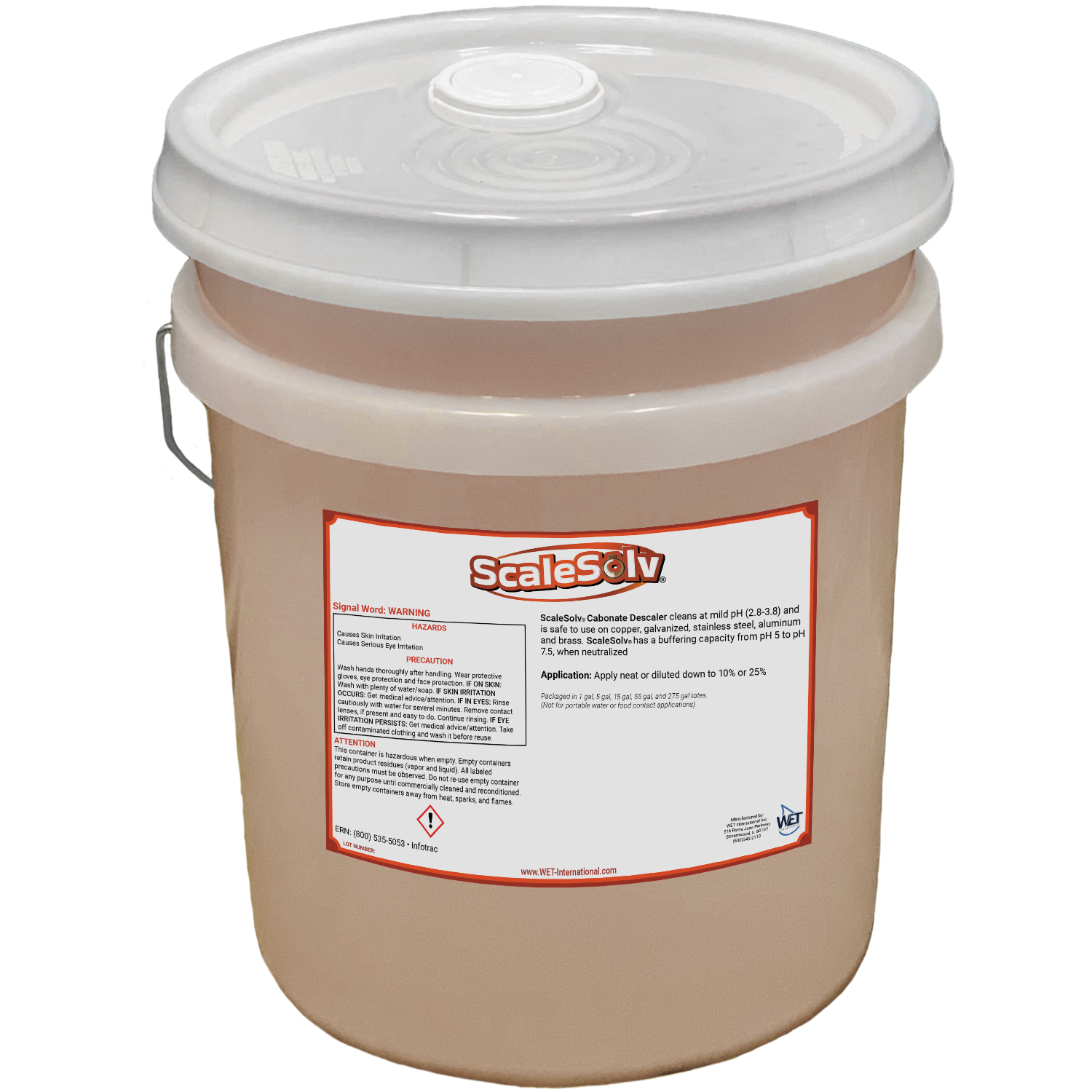
5 Gallon Container
Well suited for routine descaling work and maintenance teams that need a reliable supply for regular cleaning procedures.
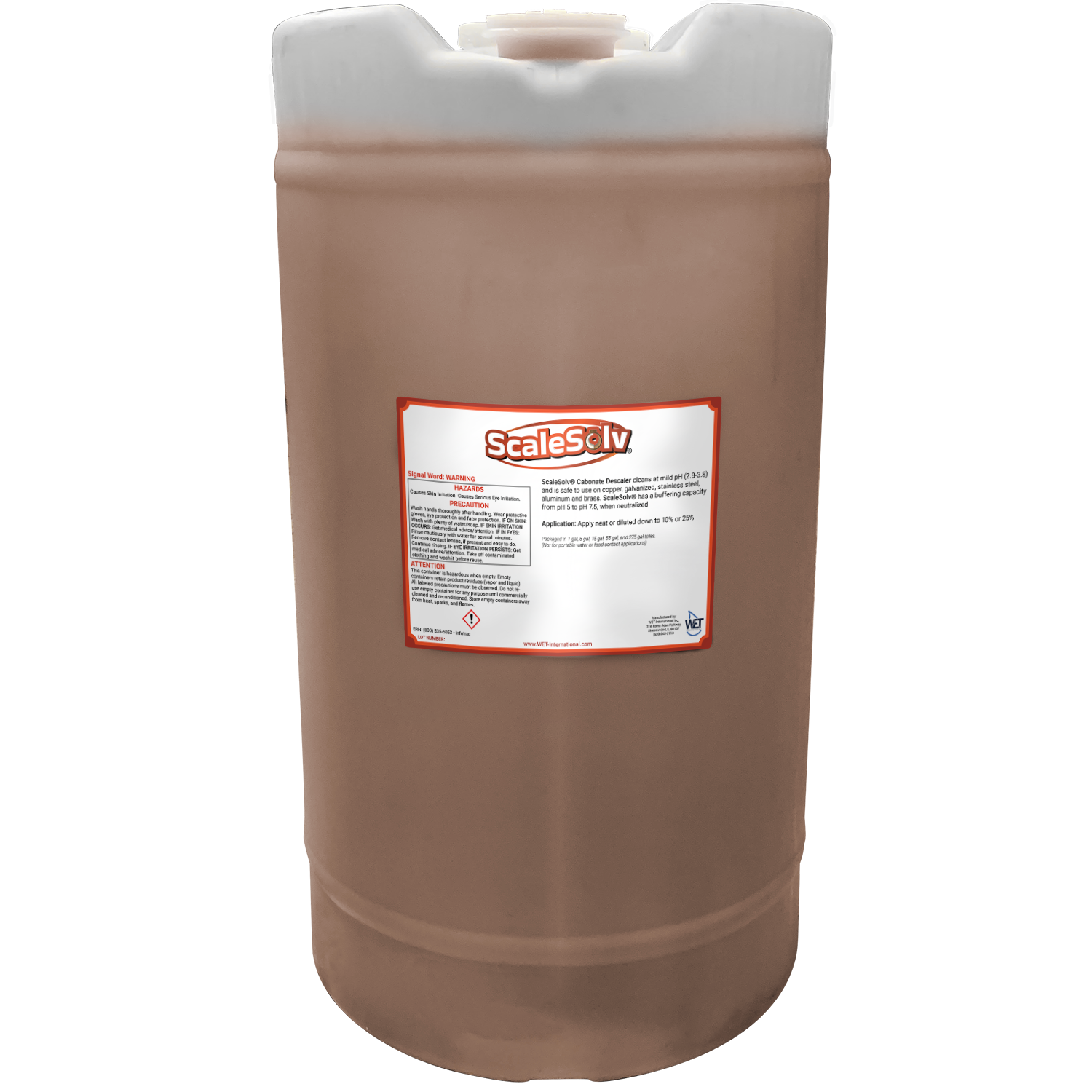
15 Gallon Container
A good fit for larger systems or facilities with more frequent scale removal needs.
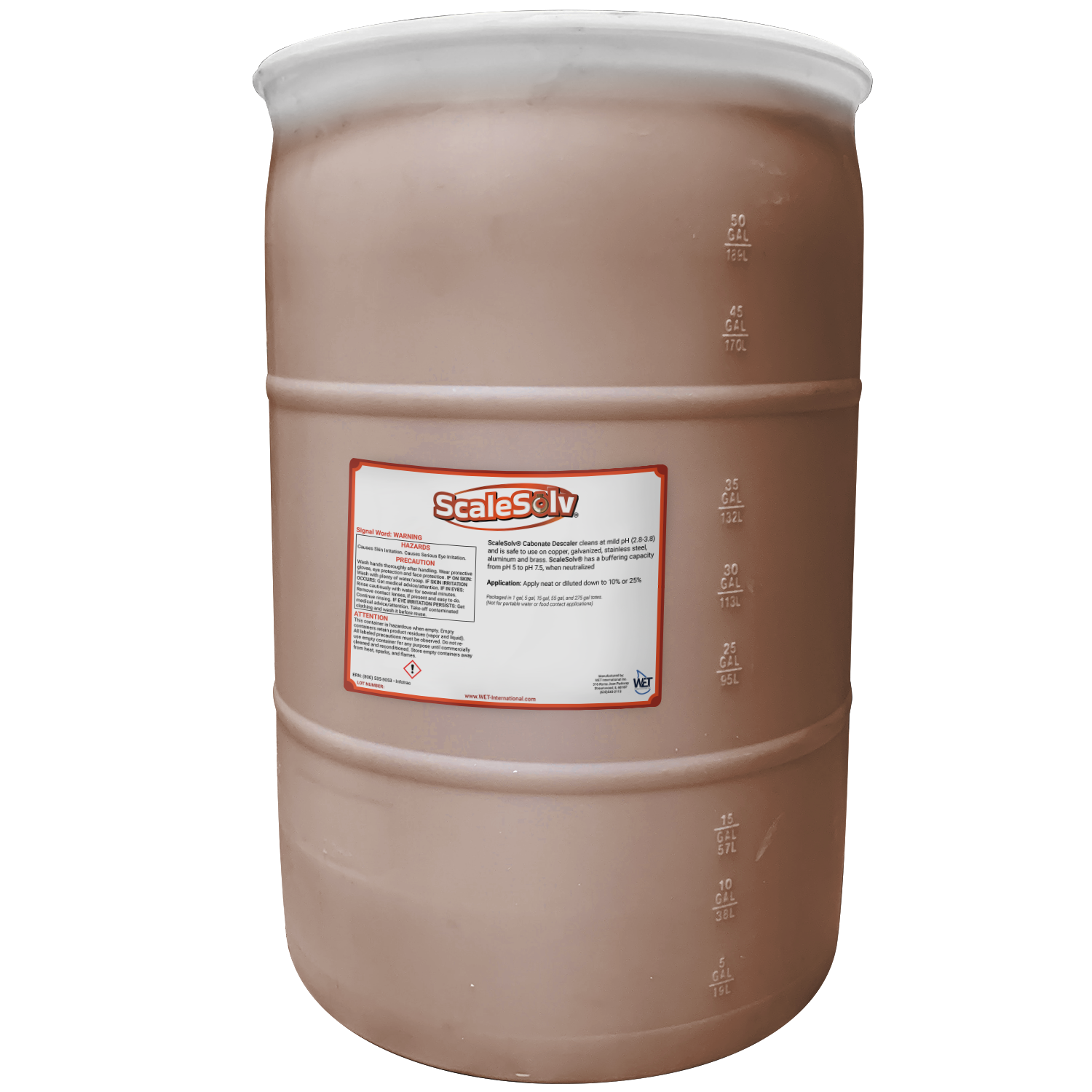
55 Gallon Drum
Designed for industrial environments that require larger quantities for ongoing descaling programs and scheduled maintenance.
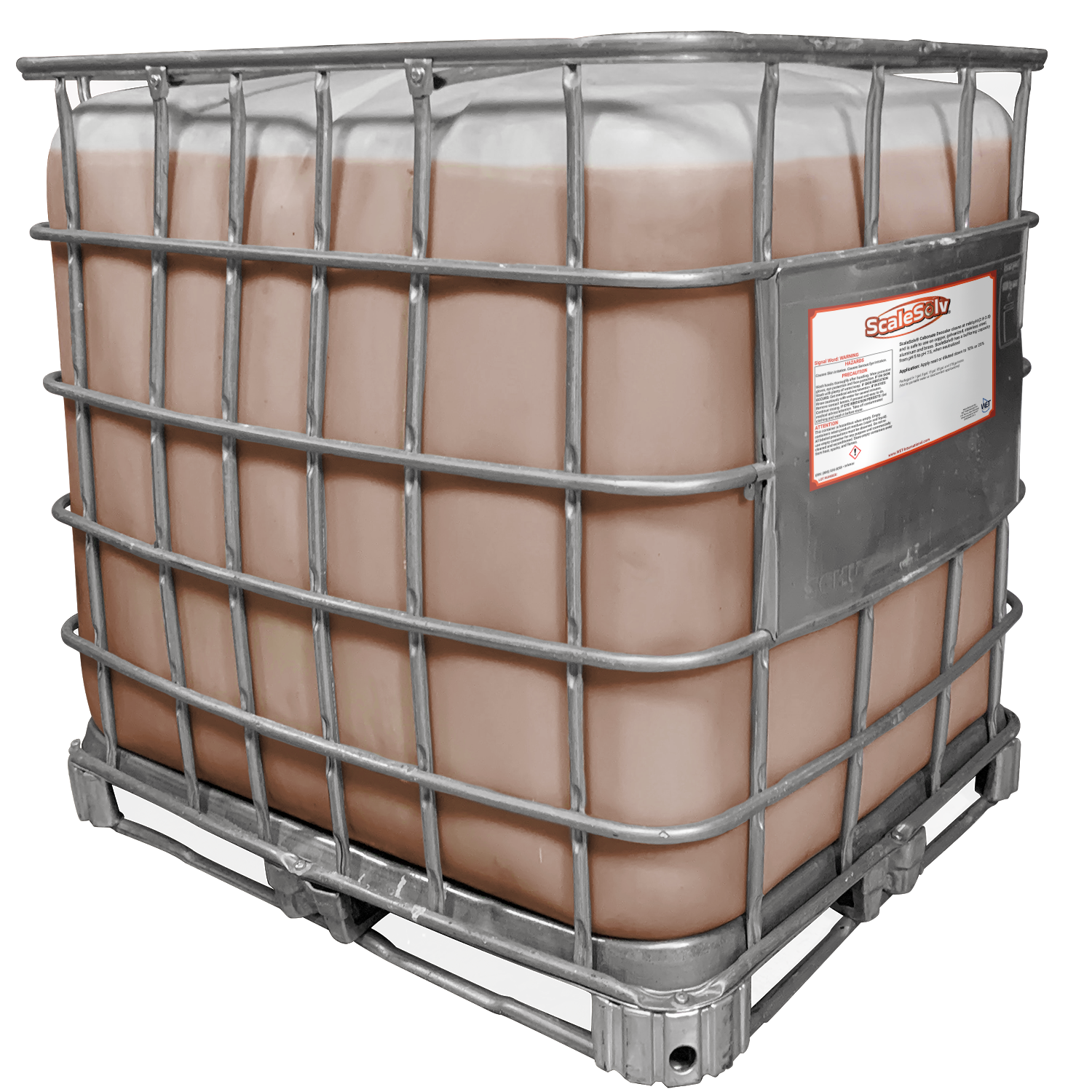
275 Gallon Tote
The largest option supports high volume industrial use and facilities that manage large scale equipment cleaning across multiple systems.
Application and Usage Considerations
Descaling results depend on the amount of buildup, the type of equipment being cleaned, and how the product is applied. In many systems, descalers are introduced as part of a controlled cleaning procedure that allows the product to contact the scale and then be flushed from the system.
Facilities often consider factors such as:
The severity of mineral buildup
System design and access points
Contact time needed for cleaning
Rinsing and follow up maintenance procedures
Because every system is different, maintenance teams typically evaluate the best cleaning process for their own equipment and operating conditions.
Storage and Handling Recommendations
Industrial chemicals should always be stored and handled according to product guidance and normal facility safety procedures.
Good storage practices usually include keeping containers tightly sealed, storing them in appropriate conditions, and preventing contamination during transfer or use. Clearly labeled containers and organized maintenance areas also help ensure products are used correctly.
Larger sizes are often stored in chemical or maintenance areas where they are easily accessible for planned service work.
Supporting Cleaner Systems with Safer Descaling
Scale buildup can reduce efficiency, increase operating costs, and create avoidable maintenance problems across industrial systems. Regular descaling helps restore cleaner surfaces, improve flow, and support more reliable equipment performance.
ScaleSolv Descaler provides a way to remove carbonate scale safely while supporting routine maintenance across a variety of industrial applications. For facilities looking for effective scale removal without the drawbacks of harsher chemistry, it offers a practical solution for ongoing equipment care.
Keeping scale under control helps industrial systems operate more efficiently, reduces maintenance disruption, and supports better long term equipment performance.